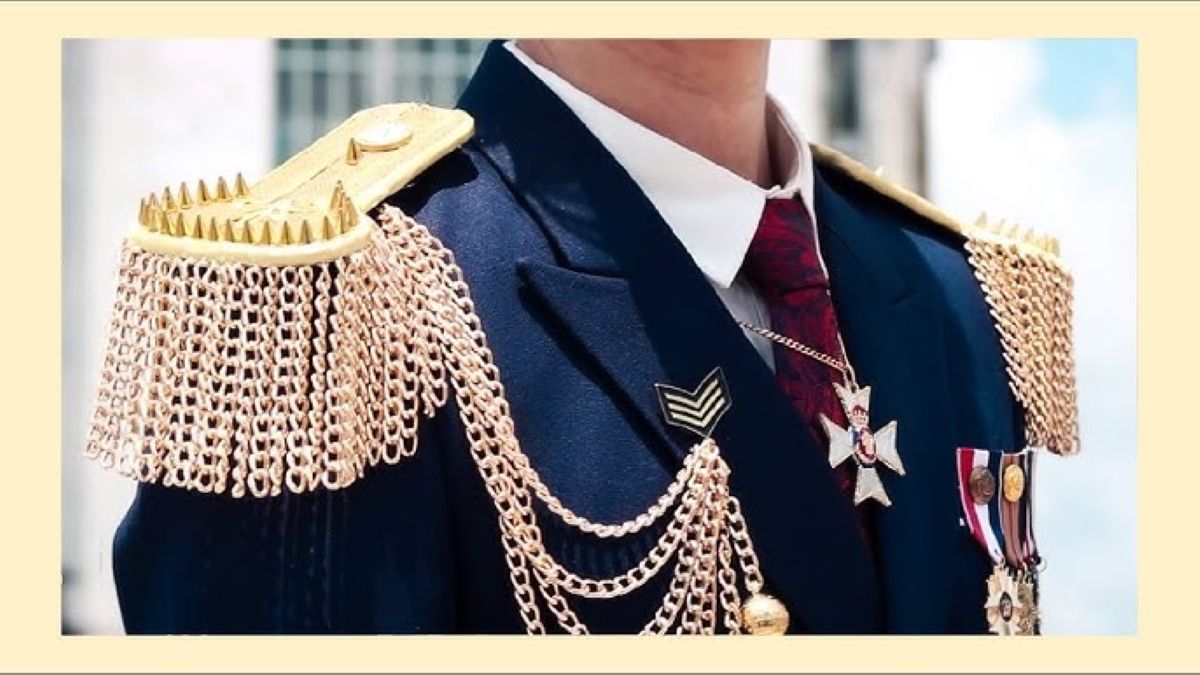
What do organisations mean when they ask for shoulder boards and epaulettes?
Most buyers use the terms loosely, but they are typically asking for shoulder-mounted insignia that shows rank, role, or unit. Shoulder boards and epaulettes can be rigid or soft, removable or fixed, and simple or highly decorated.
In procurement, the key is not the name. It is whether the item matches the uniform design and performs reliably under daily wear.
Which organisations most often order shoulder boards and epaulettes?
They are commonly ordered by security firms, maritime operators, aviation and ground handling teams, hospitality groups, cadet organisations, and ceremonial units. In many regions, public-sector and private-sector uniforms share similar visual rules, so shoulder boards and epaulettes stay popular.
They also suit organisations that need quick rank recognition without changing the whole garment.
Why do buyers still choose shoulder boards and epaulettes over sleeve insignia?
They choose them because they are easy to see from the front and side, especially when someone is wearing outerwear or body armour. Shoulder boards and epaulettes also allow quick changes when staff get promoted, transferred, or reassigned.
From a cost perspective, swapping detachable pieces is often cheaper than replacing embroidered garments across a team.
What construction types do organisations actually order most?
Most orders fall into a few predictable categories: slip-on soft boards for shirts, structured boards for jackets, and fixed epaulettes integrated into the garment. Shoulder boards and epaulettes are often specified with a standard size so they can be reused across multiple uniform items.
Buyers tend to avoid overly complex builds unless the uniform is ceremonial, because complexity increases lead time and error rates.
What materials and finishes do they prefer for daily use?
For everyday uniforms, they usually prefer materials that hold shape, resist fraying, and clean easily. Synthetic blends, durable braids, and colourfast threads are common, while high-shine metallic elements are used more selectively. Shoulder boards and epaulettes often need to survive frequent laundering and rough handling.
They also prioritise finishes that match the organisation’s buttons, cap badges, and belt hardware without looking mismatched. Read more about Care labelling for clothing and textiles mandatory standard.
How do organisations decide between embroidered, woven, and metal insignia?
They choose embroidered for versatility and a premium look, woven for sharp detail at scale, and metal for formal presentation. The right choice depends on distance visibility, the uniform’s formality, and how many rank levels must be differentiated. Shoulder boards and epaulettes often combine methods, such as embroidered rank with a metal device.
They also consider snag risk, weight, and comfort on the shoulder seam.
What rank systems and layouts do they commonly request?
They typically request simple, repeatable systems: bars, pips, chevrons, or stripes that map cleanly to job grades. Shoulder boards and epaulettes are often standardised so a supervisor’s insignia looks consistent across locations and suppliers.
Procurement teams usually want a system that is easy to explain, easy to stock, and hard to misread in low light.
Why do comfort and wearability drive so many ordering decisions?
They order what staff will actually wear without complaints. If the board is too stiff, too wide, or abrasive, it causes rubbing, shoulder pressure, and poor fit under jackets and straps. Shoulder boards and epaulettes must sit flat, stay aligned, and avoid curling at the edges.
Comfort also reduces informal “workarounds” like removing insignia, which undermines visibility and compliance.
How do branding and consistency influence what gets approved?
They need uniform accessories to match brand colours, typography, and the overall look of the uniform programme. Shoulder boards and epaulettes often become a brand anchor because they are prominent in photos, audits, and customer-facing roles.
Decision-makers usually choose designs that remain stable for years, so they can reorder without redesign costs and avoid visual drift across sites.
What operational and supply issues shape real-world orders?
They prioritise low error rates, predictable lead times, and easy reordering over novelty. That means clearly defined specs, controlled colour references, and a repeatable manufacturing process. Shoulder boards and epaulettes are often ordered in sets with a size and rank matrix to simplify stock management.
They also plan for attrition, promotions, and seasonal staff changes, which can double consumption compared with initial headcount estimates.
How do organisations avoid mistakes when specifying shoulder boards and epaulettes?
They reduce risk by approving physical samples, locking down artwork, and documenting every detail: dimensions, backing, attachment method, thread colours, and placement. Shoulder boards and epaulettes should be tested on the actual garment, not just viewed in isolation.
They also align internal stakeholders early, because uniform managers, HR, and operations may each have different “must-haves”.
What do they order for ceremonial versus everyday uniforms?
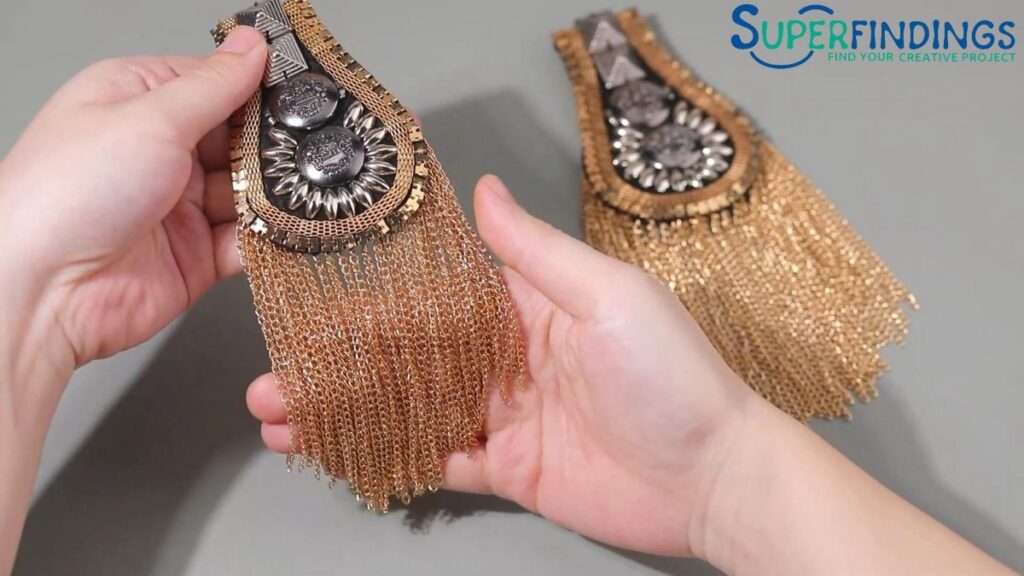
They usually order simpler, tougher items for daily wear and more decorative items for ceremonial use. Ceremonial options may include bullion, metallic braids, fringes, or higher-contrast detailing, while daily versions focus on durability and comfort. Shoulder boards and epaulettes often come as two parallel lines: service-grade and parade-grade.
This split prevents expensive ceremonial items from being damaged in routine work.
What is the buying takeaway for shoulder boards and epaulettes?
They order what makes rank unmistakable, replenishment easy, and the uniform comfortable enough to wear all day. Shoulder boards and epaulettes succeed when the design is standardised, the materials suit the environment, and the supply chain can repeat the same result every time.
In practice, the “best” option is the one that reduces confusion, supports branding, and keeps uniforms consistent across every location.
More to Read : Custom Lapel Pins Australia: What Quality Differences Actually Matter?